Life After PFAS

Listen and follow The Wirecutter Show
Apple Podcasts | Spotify | Amazon Music | YouTube | iHeartRadio
You’ve probably seen “forever chemicals” make headlines in the past few years. This class of compounds known as per- and polyfluoroalkyl substances (PFAS) have long been used to make nonstick cookware and high-performance raingear. And they’re being phased out in certain product categories because of their health risks.
This episode, Wirecutter sustainability editor Katie Okamoto explains the potential health risks of everyday exposure to these slippery synthetic compounds. And she breaks down the new wave of PFAS-free cookware, cosmetics, and outdoor gear, revealing which replacements are actually worth buying — and why your most sustainable bet is often to just keep using the gear you already own.
This episode covers:
- What PFAS actually are: Developed in the 1940s, these compounds are used to make things slick and waterproof. They’ve been used in nonstick cookware, raingear, and even dental floss.
- The real health and environmental risks: Because they don't break down and spread easily through the environment, PFAS have contaminated drinking water and soils, and bioaccumulate up the food chain. These chemicals have been linked to a range of health issues, including liver damage, immune system impacts, and certain cancers. But experts say that exposure from using a single frying pan is low.
- The truth about ceramic cookware: After extensive testing, Wirecutter’s kitchen team doesn’t recommend ceramic pans, which are often marketed as an alternative to Teflon. The ceramic loses its non-stick properties far too quickly to justify the price. Instead, we recommend investing in cast iron, stainless steel, or carbon steel.
- PFAS in makeup and outdoor gear: The beauty industry is phasing PFAS out of cosmetics, and makeup is not a primary source of PFAS exposure. For outdoor gear, brands are switching to new PFAS-free coatings, and some are reviving Ventile, a densely woven, highly water-resistant cotton fabric.
- Don't toss your old gear: The most sustainable choice you can make is to keep using your older, well-made products—like a rain jacket—until they actually need to be replaced.
Products we recommend:
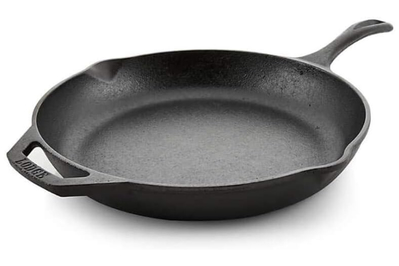
This affordable pan is lighter than a traditional cast-iron skillet and a little shallower. It’s an ideal shape for searing, roasting, and sautéing.
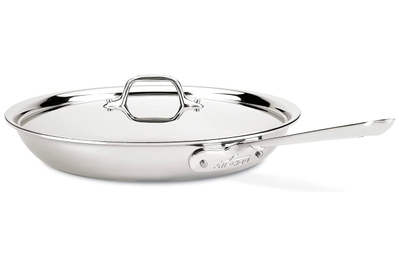
This All-Clad skillet is a proven workhorse with superior heat conduction and durable construction.
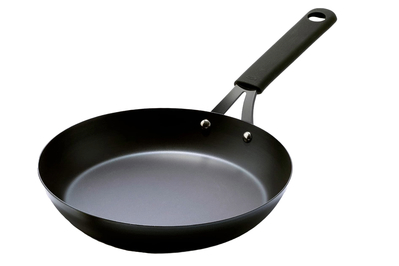
This kitchen workhorse can fry an egg without sticking, and it produces a dark, crusty sear on steaks and chops.
- Katie recommends: Lemnos Plywood Clock
from Wirecutter: Reviews for the Real World https://ift.tt/xshanvX
via IFTTT


Comments
Post a Comment