The Beginner’s Guide To Retinol Products

Listen and follow The Wirecutter Show
Apple Podcasts | Spotify | Amazon Music | YouTube | iHeartRadio
A retinoid is one of the best, scientifically-backed products you can use to keep your skin looking youthful. These vitamin A derivatives are among the very few skin-care products that can boost collagen, minimizing the appearance of pores and fine lines.
In this episode, we’re bringing on two experts to help you determine the type of retinol product that’s best for you. Board-certified dermatologist Nikhil Dhingra, MD, of Spring Street Dermatology, explains how retinoids work and how to decide between using over-the-counter (OTC) and prescription-strength products. Wirecutter editor Rory Evans shares the top OTC products from Wirecutter’s extensive testing.
This episode covers:
- What retinoids can do for your skin: Retinoids stimulate collagen, helping to reduce fine lines and wrinkles. They can also help with hyperpigmentation, protect the skin against sun damage, and thicken skin that’s starting to thin with age.
- The difference between prescription-strength and OTC retinoids: Prescription-strength retinoids are generally more powerful and can also be more irritating to the skin. Some, such as tretinoin, are already in their active form, retinoic acid, while others bind directly to retinoid receptors in the skin. OTC retinol products, by contrast, are generally less potent and often less irritating because they must be converted by the skin into active retinoic acid before exerting their effects.
- The difference between OTC ingredients: Although OTC products are often referred to as retinols, they feature a range of active ingredients. Retinal (short for retinaldehyde), requires one conversion step to become retinoic acid. Retinol needs two conversion steps, while retinyl palmitate requires three. Adapalene doesn't convert to retinoic acid and interacts differently with skin to limit oil production and minimize inflammation (which is why it’s mostly used in acne treatment).
- Tips for using retinol products: Dr. Dhingra recommends starting with a pea-sized amount only a few times a week. To reduce irritation, you can also use the sandwich method—apply moisturizer, layer your retinol product, and top it with moisturizer again to safely dilute the product.
- OTC retinol products, by skin type: Rory walks us through the top OTC products from Wirecutter’s extensive testing.
Products we recommend
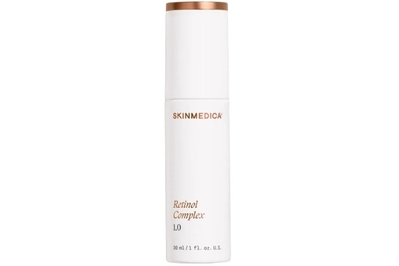
This serum features one of the strongest versions of the active ingredient retinol available. Yet it softened and smoothed lines without irritating skin.
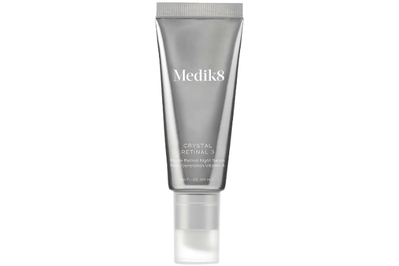
This creamy product’s active ingredient is encapsulated retinaldehyde, which is considered to be the most effective retinoid sold over the counter.
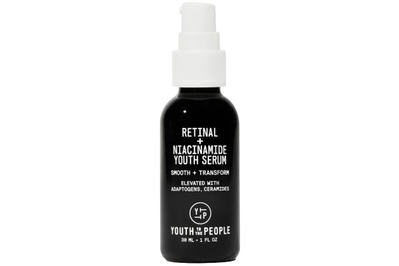
Soothing hydrators round out a potent dose of retinaldehyde in this effective serum. After application, it can leave the skin with a yellowish cast, though.
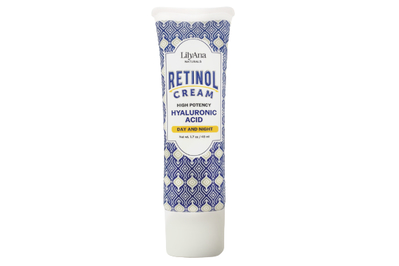
This plush, fluffy cream delivers tons of moisture as well as a dose of retinol.
(1.7 ounces)
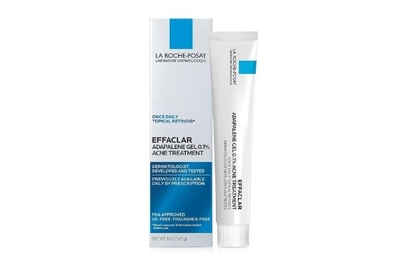
This sheer, mellow gel effectively minimized breakouts for our testers. The larger tube is a bit expensive, though.
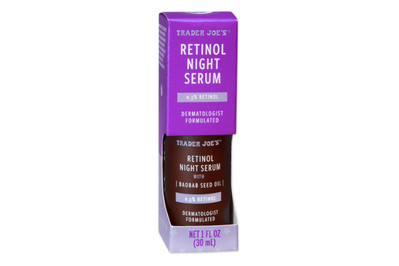
With a silky texture and a pleasant tingly effect, this bargain retinol serum feels surprisingly luxe. But you can’t buy it online.
in-store purchase only
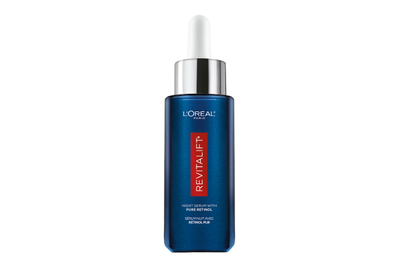
With a sheer, satiny feel, these gentle, 0.3% retinol drops sink in quickly and leave skin looking smoother. Alas, this serum smells a bit like glue.
from Wirecutter: Reviews for the Real World https://ift.tt/O7cSHVf
via IFTTT


Comments
Post a Comment